
Plantation Development & Management
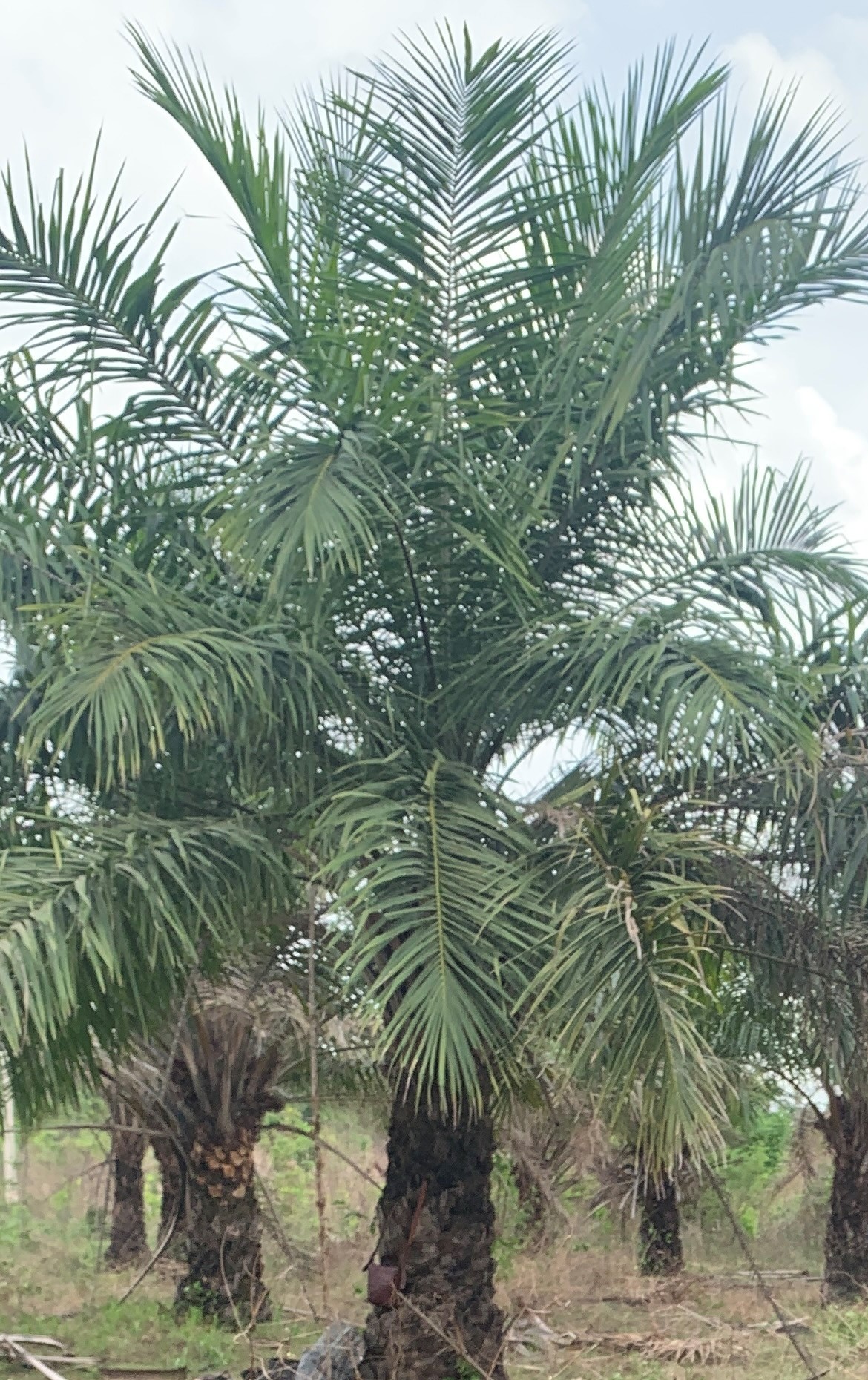
Establishing and managing oil palm holdings — improved seedlings, disciplined husbandry and planned replanting cycles.
Nigeria is one of the world's largest palm oil producers — and still imports to meet its own demand. That structural gap is our opportunity: we invest in cultivation, processing and dependable farm-to-market supply of palm oil and allied produce.
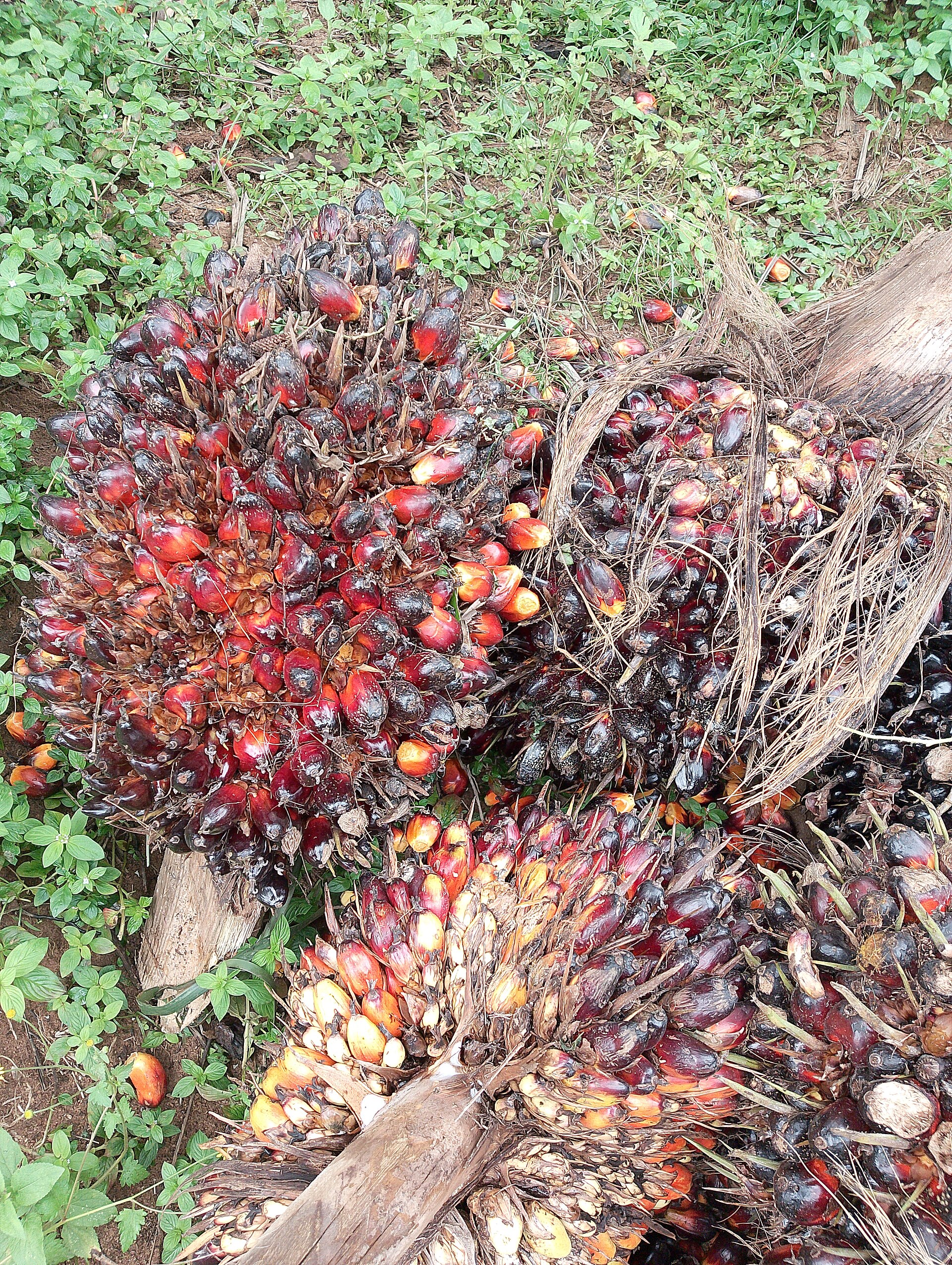 Oil Palm Harvest
Nigeria ranks among the world's largest palm oil producing nations.
Domestic demand still outstrips supply — a structural gap local production must fill.
Edo, Cross River, Akwa Ibom, Abia, Imo, Ondo — the southern states where oil palm thrives.
Before crude oil, Nigeria led the world in palm oil. Today most production comes from smallholders and semi-mechanised mills, while demand from food, manufacturing and household consumption keeps growing. Every properly run plantation and mill added to that supply chain earns its place.
We participate across the chain: cultivating and managing oil palm, processing fresh fruit bunches into crude palm oil (CPO) and palm kernel products, and supplying in bulk to industrial and market buyers — with the same documentation discipline we bring to everything else.
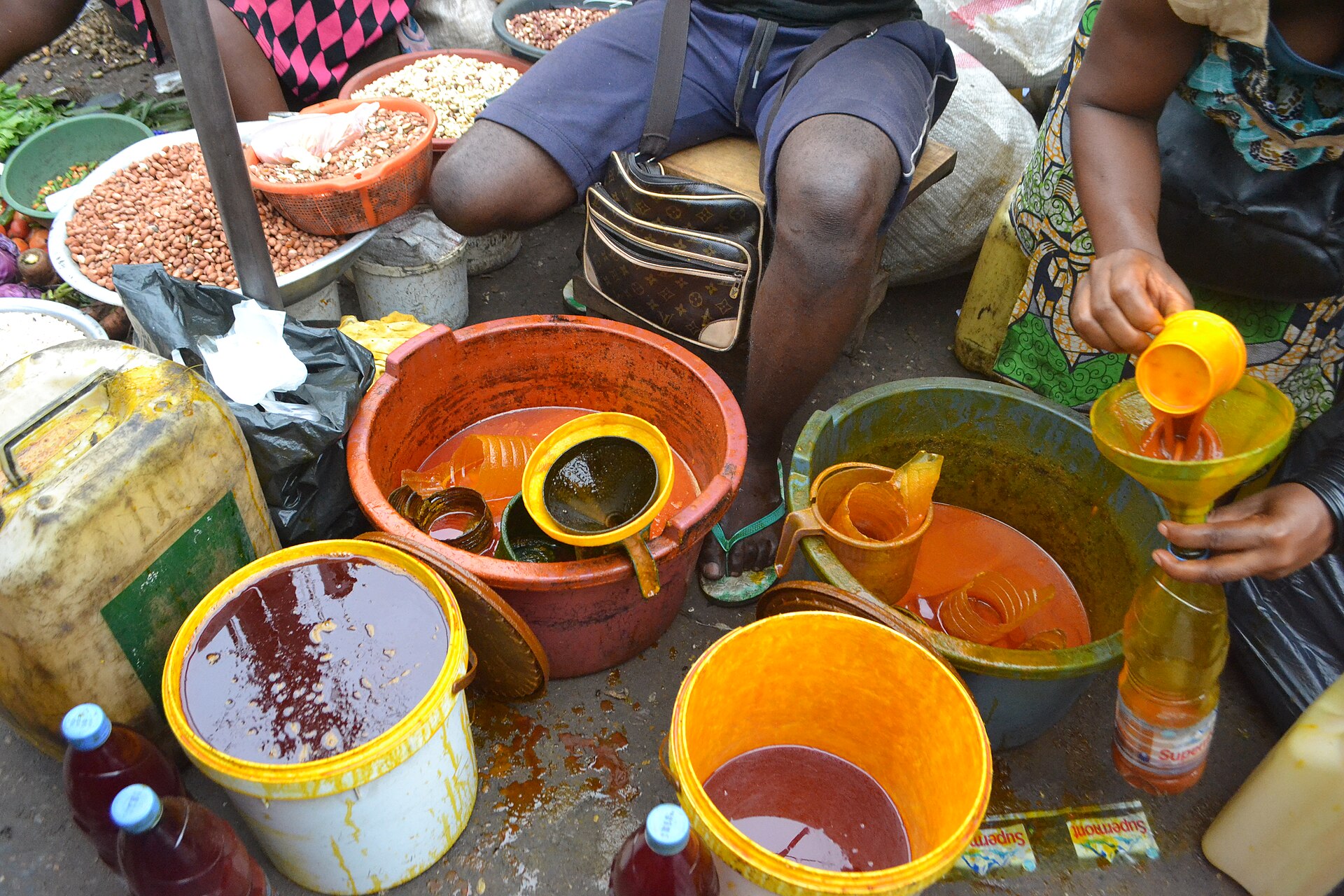
For buyers who need dependable supply, and producers who need a fair, structured route to market.
Establishing and managing oil palm holdings — improved seedlings, disciplined husbandry and planned replanting cycles.
Processing fresh fruit bunches into crude palm oil — clean handling, proper storage and consistent grading.
Contracted supply of palm oil to industrial users, food producers and market wholesalers — delivered to specification.
Palm kernel oil and palm kernel cake for the crushing, soap-making and feed industries — nothing wasted.
Structured buying from smallholder farmers — transparent weighing, fair pricing and prompt payment.
Tank and warehouse arrangements plus transport coordination that keep oil moving from mill to market in good condition.
A special report on the prospects and challenges of palm oil production in Nigeria — the market we work in every day.
Third-party editorial content, shown for market context.
Plantations are established and managed — or fruit is aggregated from partner smallholders.
Fresh fruit bunches are milled promptly into CPO and kernel products, graded and stored properly.
Oil and produce are delivered against documented contracts — bulk or wholesale, to specification.
Margins go back into trees, mills and farmer relationships — the assets that compound.
Talk to us about supply, partnership or investment in the palm oil value chain.